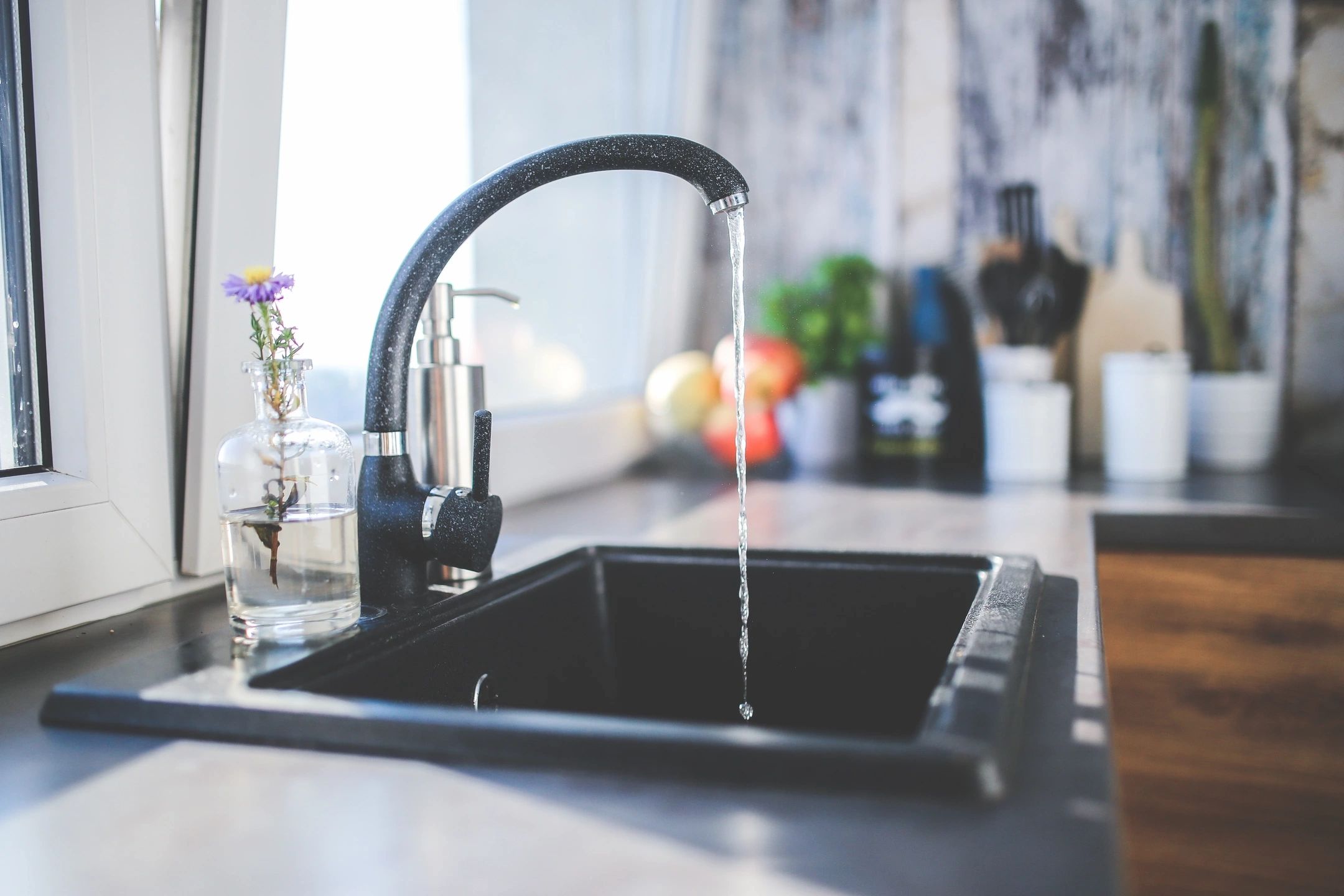
There’s nothing quite as frustrating as stepping into the shower expecting a strong stream of water—only to be greeted by a weak trickle. On the other hand, water pressure that’s too high can quietly damage your plumbing over time without you even realizing it.
If you’ve noticed your home’s water pressure changing, it’s worth paying attention. While some fluctuations are normal, others could be a sign that your plumbing system needs professional attention.
What Causes Low Water Pressure?
Several issues can lead to reduced water pressure throughout your home.
Mineral Buildup
Arizona’s hard water contains minerals that gradually accumulate inside pipes, faucets, and showerheads. Over time, this buildup restricts water flow and can noticeably reduce pressure.
Hidden Leaks
A leak somewhere in your plumbing system allows water to escape before it reaches your fixtures. Even a small leak can affect water pressure while increasing your monthly water bill.
Aging Plumbing
Older galvanized pipes can corrode from the inside out, narrowing the interior diameter and restricting water flow. If your home is several decades old, aging pipes could be contributing to inconsistent pressure.
Municipal Water Supply
Sometimes the issue isn’t inside your home at all. Water main repairs, seasonal demand, or maintenance by your local water provider can temporarily affect pressure.
Can Water Pressure Be Too High?
Absolutely.
Many homeowners assume stronger water pressure is always better, but excessively high pressure places unnecessary strain on your plumbing system.
High water pressure can:
- Shorten the lifespan of water heaters
- Damage washing machines and dishwashers
- Wear out faucet cartridges and toilet valves
- Increase the likelihood of pipe leaks
- Waste water and increase utility bills
If your home’s pressure consistently exceeds recommended levels, installing or adjusting a pressure reducing valve (PRV) can help protect your plumbing investment.
Warning Signs to Watch For
Your plumbing system may be trying to tell you something if you notice:
- Water pressure changing throughout the day
- Only one fixture losing pressure
- Multiple fixtures affected at once
- Pipes making banging or vibrating noises
- Higher-than-normal water bills
- Water discoloration along with pressure changes
These symptoms often point to issues that are easier—and less expensive—to address before they become major repairs.
What You Can Check Yourself
Before calling a plumber, there are a few simple things you can inspect.
Remove and clean faucet aerators or showerheads if mineral buildup is visible. Make sure your home’s main water shutoff valve is fully open, and ask your neighbors whether they’re experiencing similar issues to determine if the problem may be with the municipal water supply.
If none of these solve the problem, it’s time for a professional inspection.
Let Forrest Anderson Find the Cause
Water pressure problems aren’t always obvious, but they shouldn’t be ignored. Whether the issue is a hidden leak, failing pressure regulator, mineral buildup, or aging plumbing, identifying the root cause early can save you from much larger repairs down the road.
At Forrest Anderson Plumbing & Air Conditioning, our experienced plumbers can diagnose water pressure issues quickly and recommend the right solution for your home. We believe in honest recommendations, quality workmanship, and helping homeowners enjoy plumbing systems that work the way they’re supposed to.
If your water pressure just doesn’t feel right, give Forrest Anderson Plumbing & Air Conditioning a call. We’ll help get your home’s plumbing flowing smoothly again.