Arizona’s monsoon season brings much-needed rain and cooler temperatures, but it can also put your air conditioning system to the test. High winds, blowing dust, lightning, and sudden downpours all have the potential to affect your HVAC system’s performance.
Here are five ways monsoon storms can impact your A/C—and what you can do to keep it running smoothly.
1. Dust and Debris Can Restrict Airflow
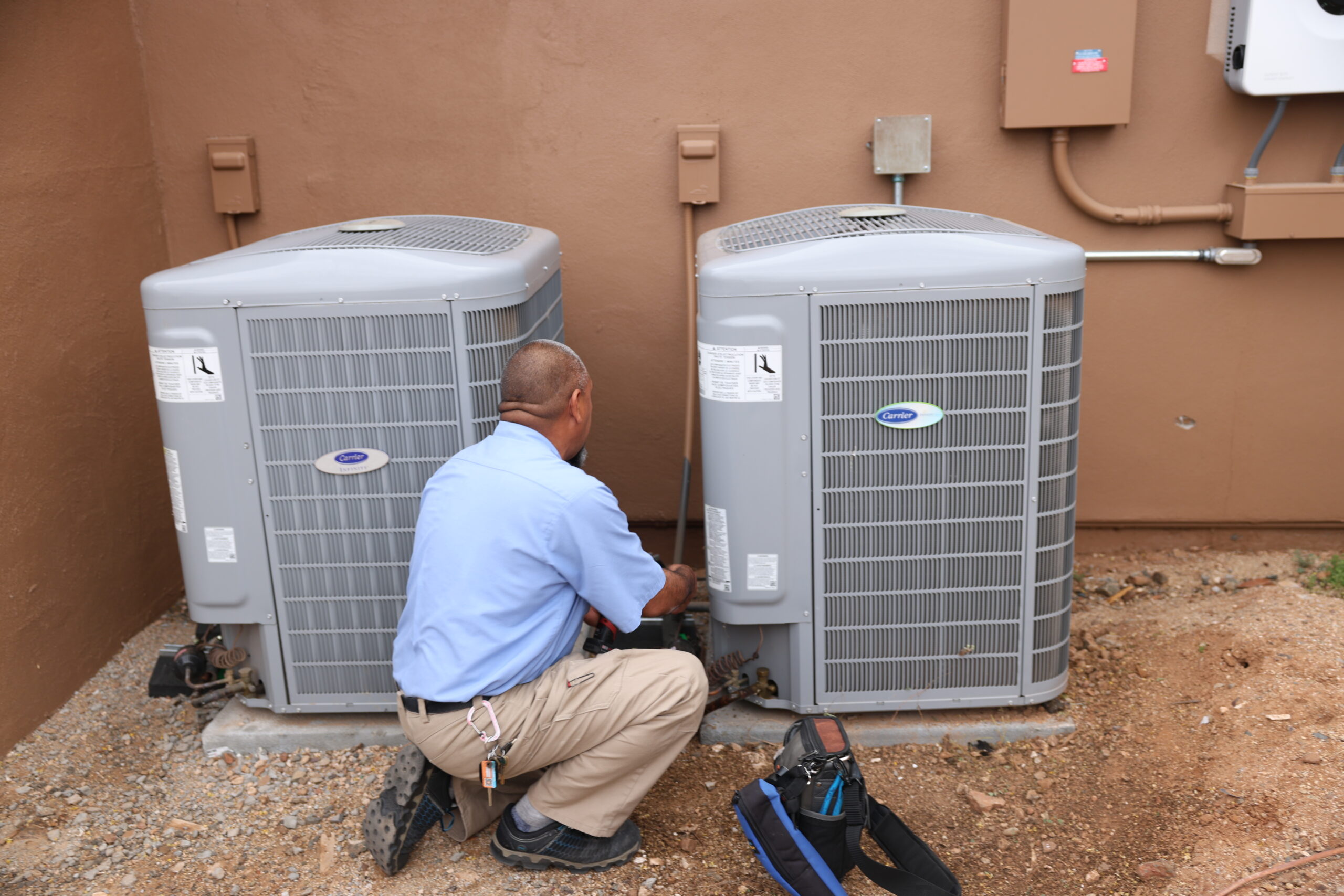
Strong monsoon winds often carry dirt, leaves, and other debris that can collect around your outdoor condenser unit. When airflow is restricted, your system has to work harder to cool your home, reducing efficiency and increasing wear on the equipment.
What you can do:
After a storm, take a quick look at your outdoor unit. Remove any leaves, branches, or debris around the system, and make sure there are at least two feet of clearance around the unit.
2. Power Surges Can Damage Electrical Components
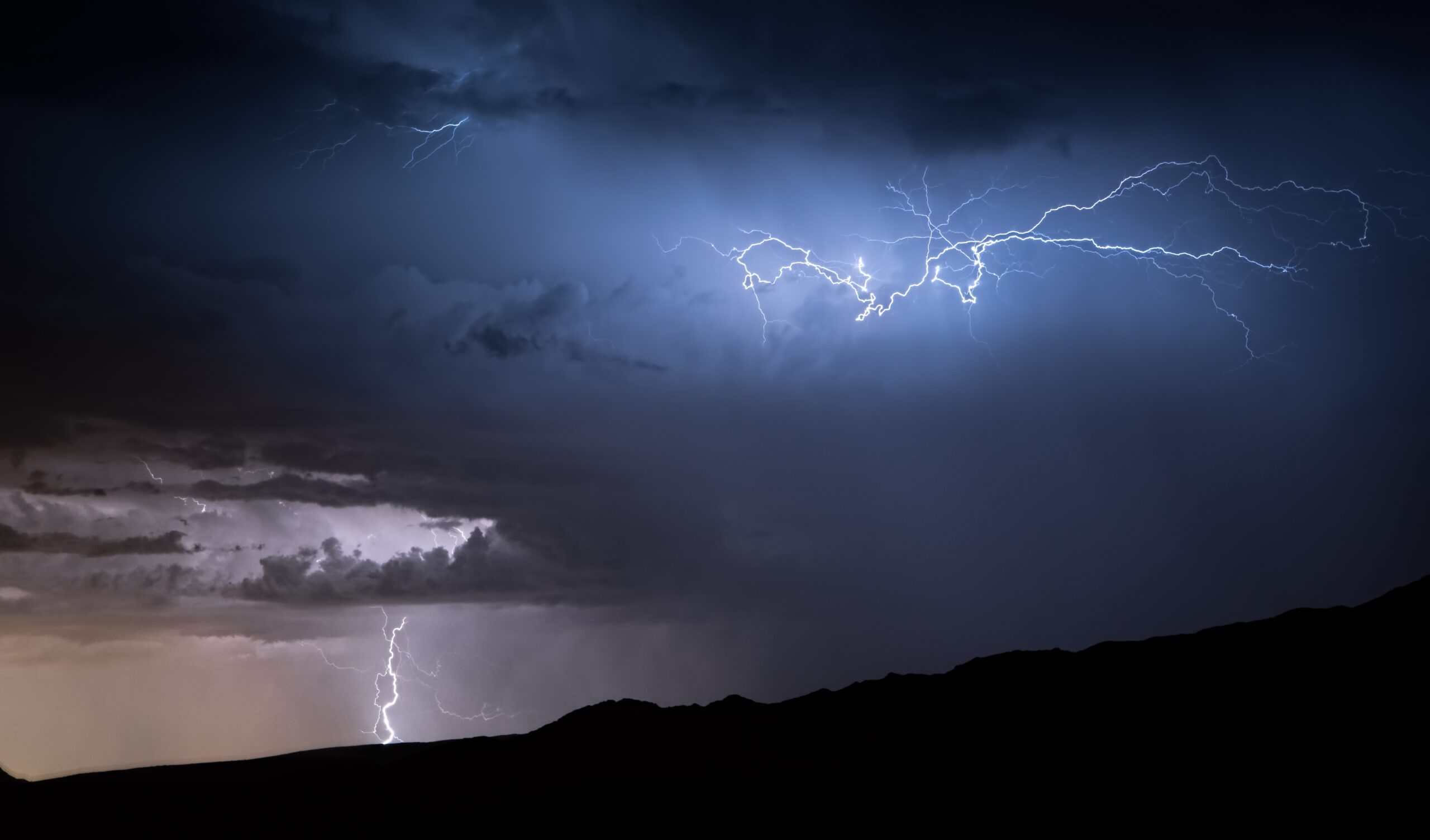
Lightning doesn’t have to strike your home directly to cause problems. Nearby strikes can create power surges that damage sensitive electrical components inside your air conditioner, including capacitors, circuit boards, and compressors.
What you can do:
Consider installing a whole-home surge protector to help protect your HVAC system and other major appliances during storm season.
3. Heavy Rain Can Create Drainage Issues
Your air conditioner naturally removes moisture from your home. During humid monsoon weather, your condensate drain line has even more work to do. If that drain becomes clogged, water can back up and potentially cause leaks or trigger your system to shut down.
What you can do:
Routine maintenance includes inspecting and clearing condensate drain lines before they become a problem.
4. Dust Storms Can Clog Your Air Filter
Arizona’s famous haboobs don’t just reduce visibility—they also send fine dust into your home’s HVAC system. A clogged air filter restricts airflow, forcing your air conditioner to run longer while reducing indoor air quality.
What you can do:
Check your air filter after major dust storms. If it looks dirty, replace it. During monsoon season, some homes may benefit from changing filters more frequently than usual.
5. Hidden Problems Often Show Up After a Storm
Sometimes the storm isn’t the direct cause of the problem—it simply exposes an issue that was already developing. A weak capacitor, worn contactor, or aging fan motor may finally fail after working harder during extreme weather.
If your system suddenly:
- Isn’t cooling properly
- Makes unusual noises
- Constantly cycles on and off
- Trips the breaker
- Won’t turn on after a storm
it’s time to have it professionally inspected.
Keep Your System Ready All Season Long
The best way to avoid unexpected breakdowns is with regular maintenance. A professional inspection can identify small issues before they become expensive repairs and help ensure your system is prepared for Arizona’s toughest weather.
For more than 60 years, Forrest Anderson has helped Arizona homeowners stay comfortable through every season. Whether you need a tune-up, repair, or a complete system replacement, our experienced technicians are here to help.
If your A/C isn’t performing like it should after a monsoon storm, contact Forrest Anderson today and let our team get your home back to comfortable.